

Siem Reap: the city where Khmer tradition meets modern life
Siem Reap is a city that surprises from the very first walk. Beyond being the gateway to Angkor, here you’ll find vibrant local life, a rich and flavorful gastronomy, and an atmosphere that blends Khmer tradition with a warm, modern energy. Its colorful markets, street food, leather craftsmanship, spice shops and urban temples create a cultural mosaic that invites you to explore at your own pace. When evening falls, the city transforms: the Night Market lights up, Pub Street comes alive and the aromas of food stalls fill the air. Siem Reap is a destination lived through the senses, a place where every corner tells a story.

SIEM REAP – THE CITY THAT COMPLEMENTS ANGKOR
Siem Reap is a vibrant city where Khmer tradition blends with modern life. Beyond being the gateway to Angkor, it offers a warm atmosphere, colorful markets and a local rhythm that invites you to explore slowly. Its streets combine urban temples, artisan workshops, quiet cafés and corners where the essence of Cambodia can be felt in every detail.
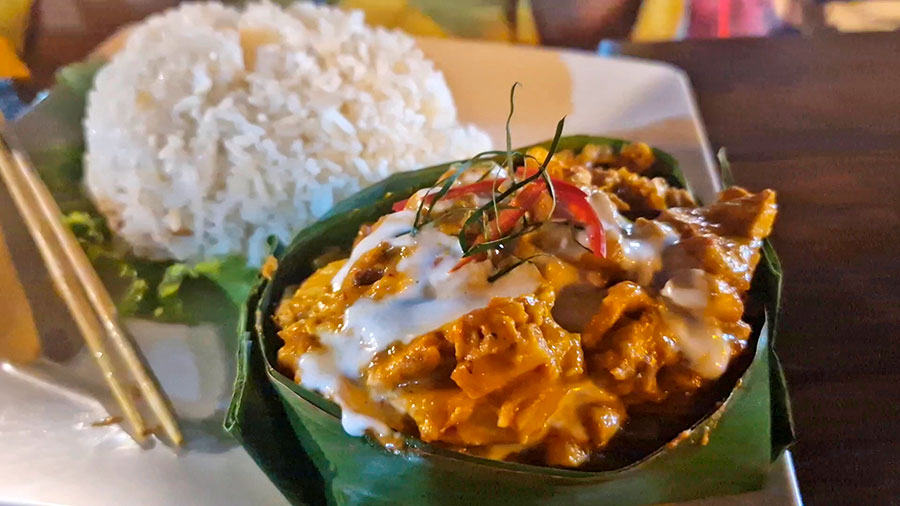
Gastronomy is one of the city’s great attractions. Among its most iconic dishes are lok lak, with marinated beef and lime-pepper sauce, and amok, a mild curry traditionally served in a banana-leaf bowl. More adventurous flavors include prahok, trey ahng, frog legs, fried insects and even crocodile burgers, part of the city’s most surprising culinary offerings. Stalls selling exotic fruits—ripe mango, rambutan, dragon fruit or durian—complete a food experience that blends tradition, freshness and adventure.
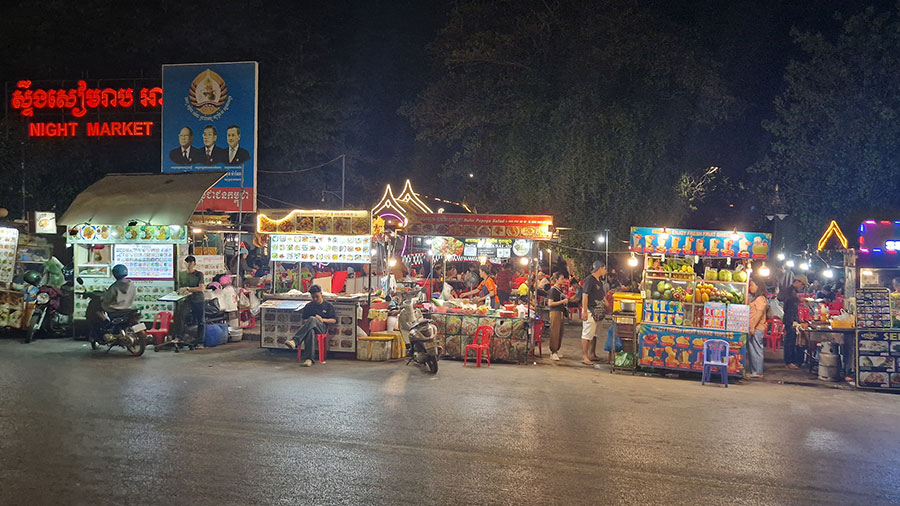
When night falls, Siem Reap changes completely. The Night Market lights up with hundreds of stalls selling clothes, art and souvenirs, while Pub Street becomes the social heart of the city, filled with music, terraces and a lively atmosphere that attracts travelers from all over the world. For those seeking relaxation, Khmer massages offer the perfect break after a day of exploring, combining traditional techniques with aromatic oils. The city is also known for its craftsmanship, especially leatherwork, jewelry and handmade accessories created in small workshops that preserve ancestral techniques.
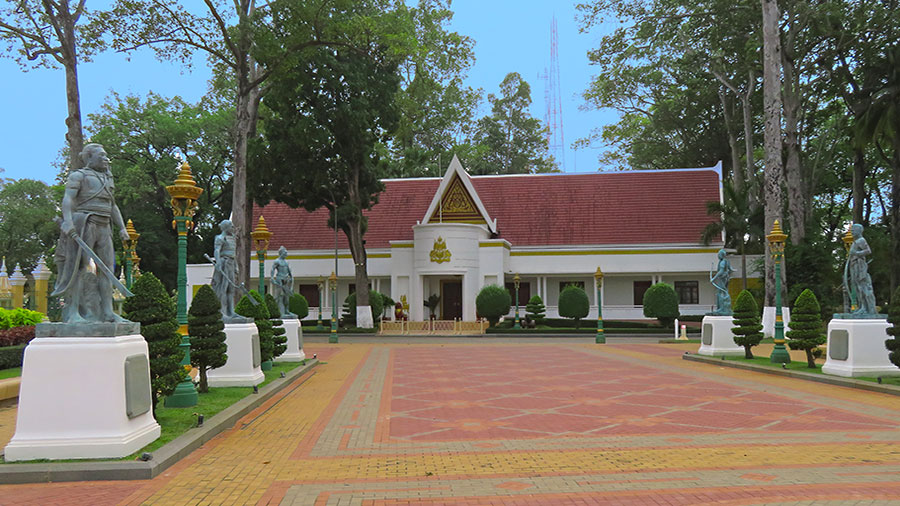
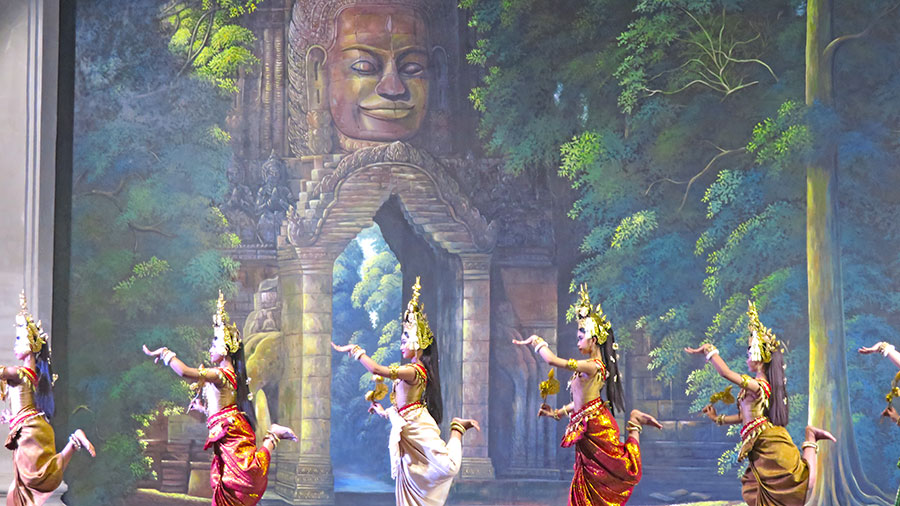
In the heart of the city stands the Royal Palace, the official residence of the king when he visits Siem Reap, with an elegant façade that adds a solemn touch to the urban landscape. It is also fascinating to attend an Apsara Dance performance, the Classical Khmer Dance recognized by UNESCO, known for its slow and graceful movements. Exploring Siem Reap with a local guide allows you to uncover stories, customs and details that often go unnoticed—from the symbolism of urban temples to the city’s evolution in recent years.
WAT PREAH PROM RATH – THE TEMPLE OF LIVING BUDDHISM
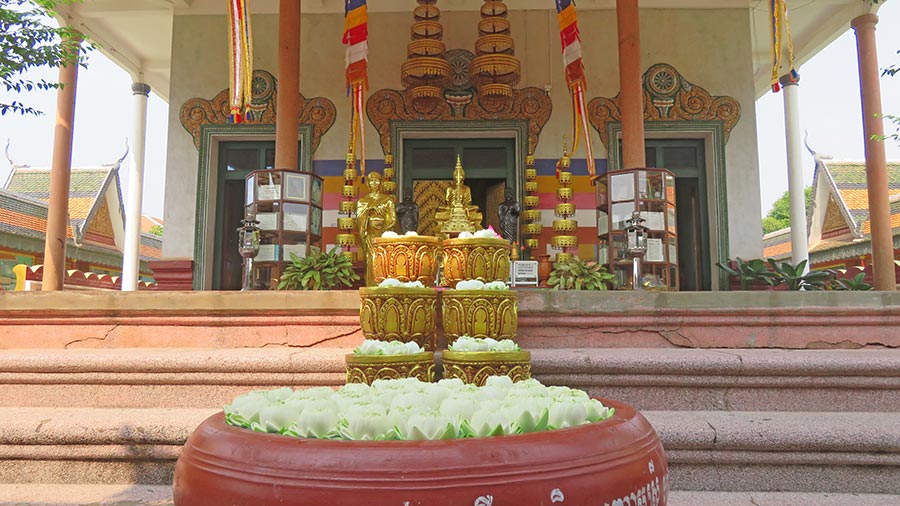
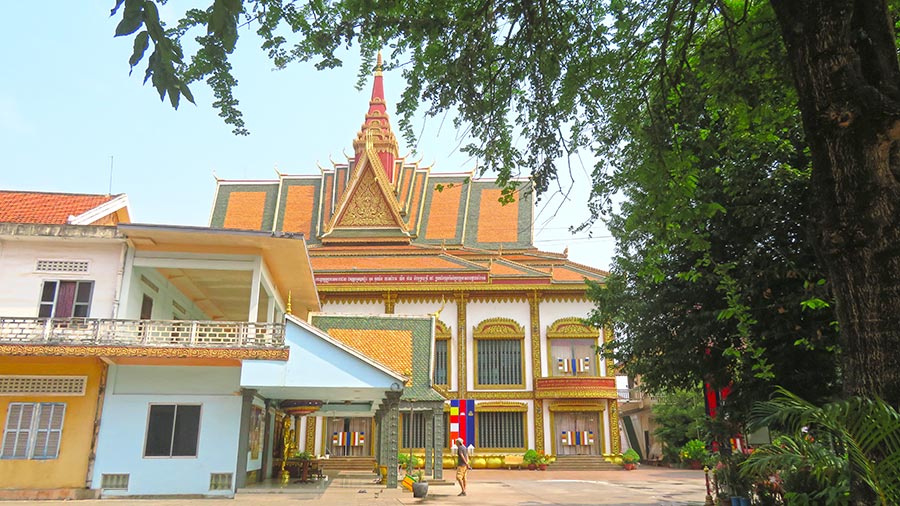
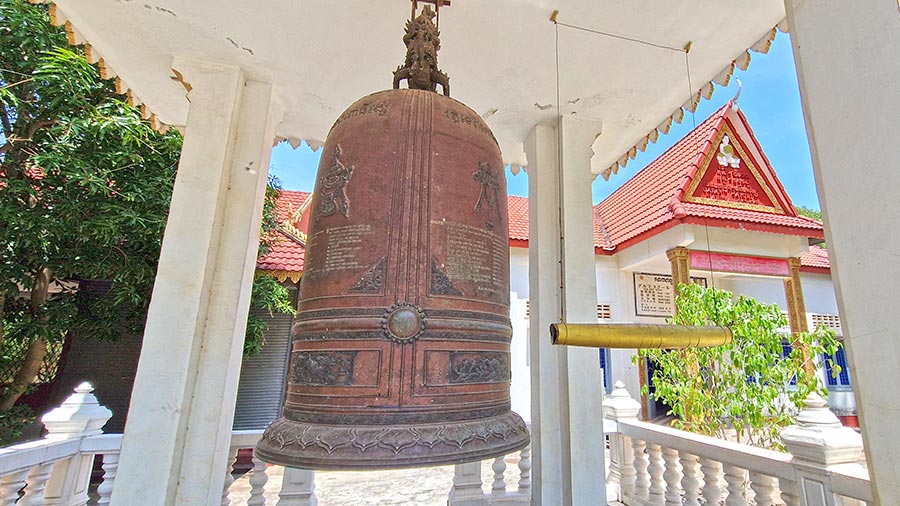
Wat Preah Prom Rath is one of the most emblematic temples in central Siem Reap. Located next to the river, it stands out for its colorful architecture and the presence of numerous Buddha statues decorating its courtyards, gardens and pavilions. Its atmosphere blends spirituality with daily activity, making it a place where religious life is openly visible and accessible to visitors. It is a temple full of vitality, always alive with movement, prayers and the soft sound of bells.
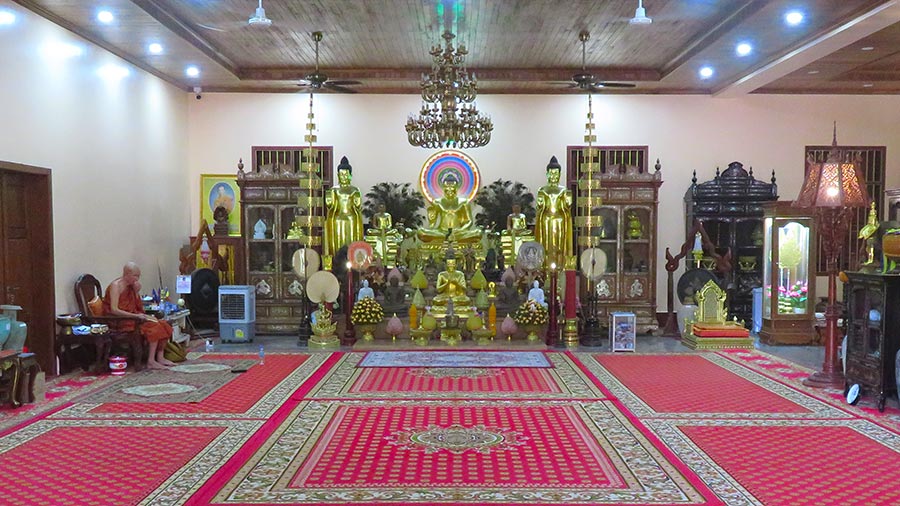
Inside the complex are two of its most recognizable elements: a large golden seated Buddha in a serene posture and, just behind it, a reclining Buddha representing the passage into nirvana. Surrounded by offerings and fresh flowers, both figures create a highly photogenic and symbolic space. Here, monks often offer blessings to visitors, tying a sacred string around the wrist as a symbol of protection and good fortune — a simple yet deeply meaningful gesture.
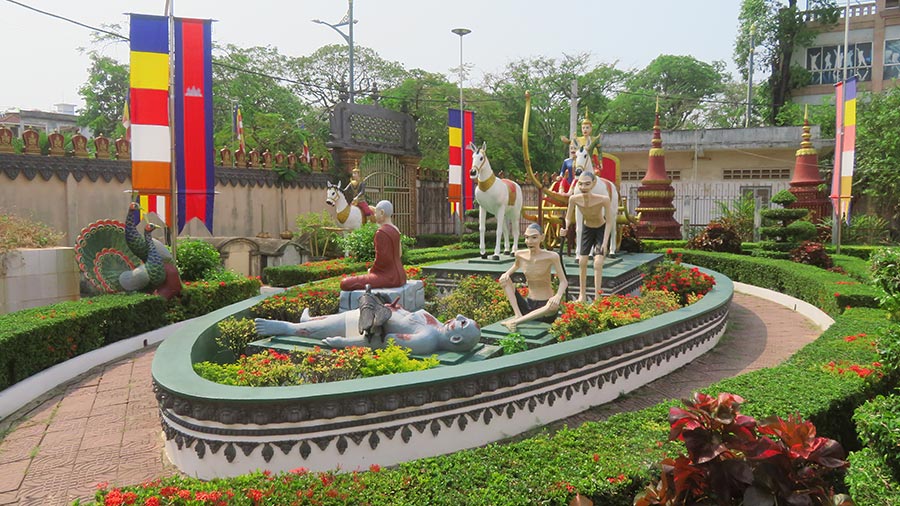
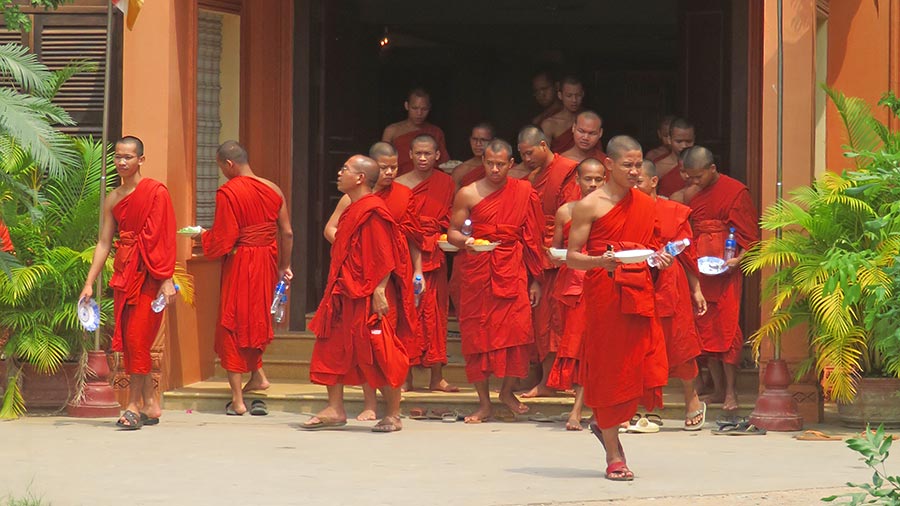
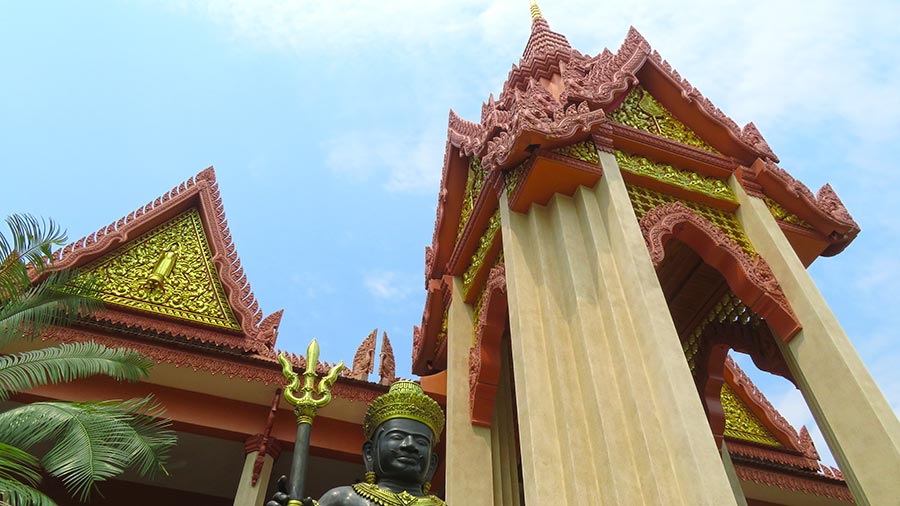
The exterior of the temple also deserves attention. Its walls are decorated with reliefs depicting episodes from the life of the Buddha and local legends, while the stupas and gardens show a blend of Khmer tradition and contemporary details. Bright colors, guardian figures and small shrines scattered throughout the grounds create a visually striking ensemble. Walking through its courtyards reveals the coexistence of spiritual life and the community’s daily rhythm, from young monks studying to devotees making offerings.
Beyond its visual beauty, Wat Preah Prom Rath offers a unique opportunity to understand Cambodian Buddhism from within. A local guide can explain the meaning of the scenes, the symbolism of the statues and the history of the monastery, enriching the visit with details that often go unnoticed. It is a temple where art, faith and everyday life intertwine, creating a close and deeply human experience that enhances any cultural visit to Siem Reap.
WAT BO – THE TEMPLE OF ANCIENT MURALS
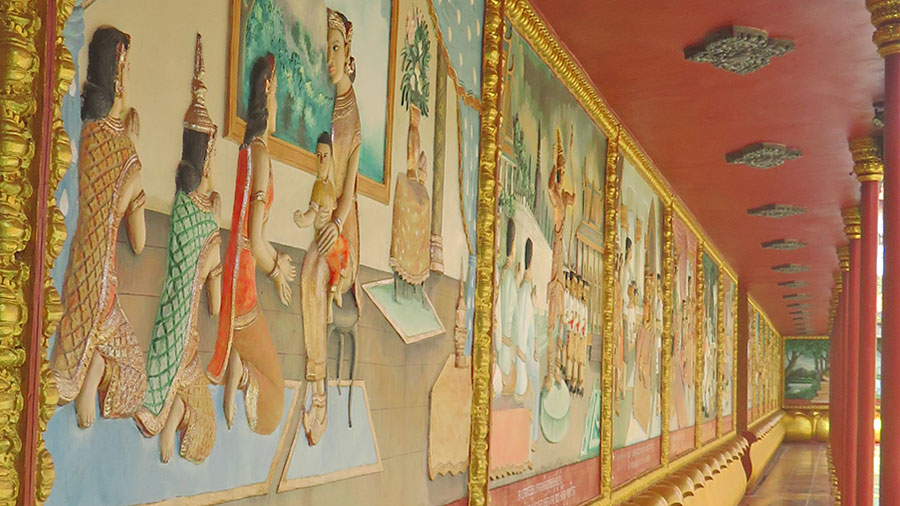
Wat Bo is one of the oldest and most respected temples in Siem Reap. Founded in the 18th century, it stands out for its traditional murals depicting scenes from the Reamker, the Cambodian version of the Ramayana. These soft-toned, delicately drawn frescoes portray epic episodes, mythical battles and everyday life, turning the temple into a small museum of religious art. Despite the passage of time, their preservation allows visitors to appreciate the artistic sensitivity of the Khmer masters.
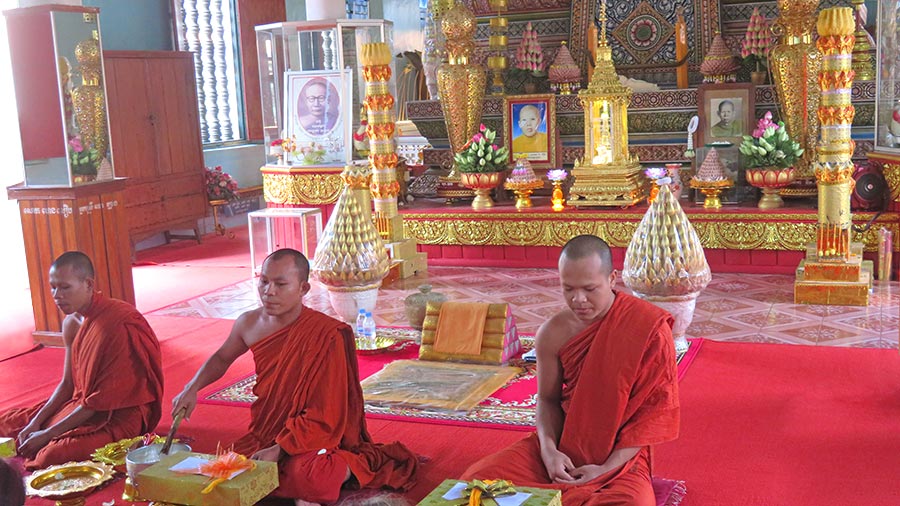
The complex combines ancient stupas, peaceful gardens and a main hall where monks perform daily ceremonies. The atmosphere is serene, ideal for observing monastic life and appreciating the more sober and spiritual side of Khmer architecture. Walking through its courtyards reveals details that speak of centuries of devotion: inscriptions, small sculptures and offerings left by the faithful each day. It is a temple that invites you to pause, listen to the silence and witness how religious life continues naturally.
One of Wat Bo’s most distinctive features is the presence of colonial-era murals added during the 19th century, showing European ships, merchants and scenes of daily life from that period. This blend of traditional iconography and foreign elements makes the temple a unique visual testimony to Cambodian history. The coexistence of worlds — mythical and real, Khmer and colonial — gives each wall a different story, revealing how Cambodia absorbed external influences without losing its identity.
Beyond its artistic value, Wat Bo is a deeply living place. Young monks study in its halls, devotees come to make offerings and visitors can observe daily rituals that reflect the continuity of Buddhist tradition. Exploring the temple with a local guide helps interpret the murals, understand their symbolism and discover how Wat Bo has evolved alongside the city of Siem Reap itself. It is a visit that blends art, history and spirituality in an intimate and authentic setting.
.
WAT THMEY – THE TEMPLE OF MEMORY
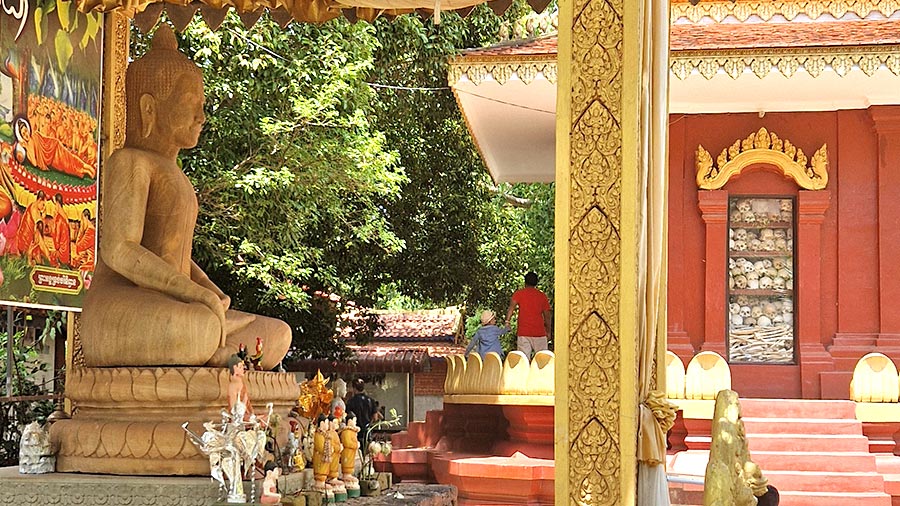
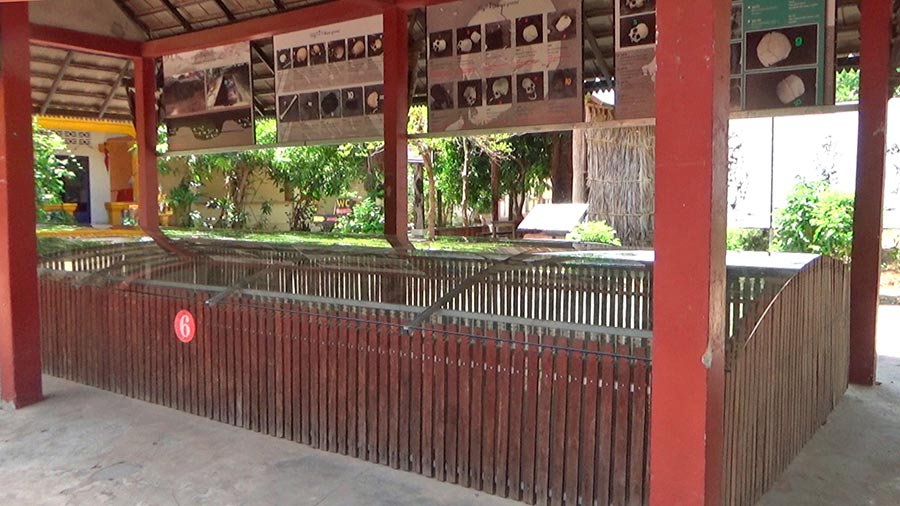
Wat Thmey is a temple that invites reflection and contemplation. Located on the outskirts of central Siem Reap, it is known for its stupa containing remains and objects that honor the victims of the Khmer Rouge regime. Its atmosphere is unlike other temples in the city: here, silence feels heavier, the colors are more subdued, and the surroundings convey a deep sense of respect for those who suffered during that period.
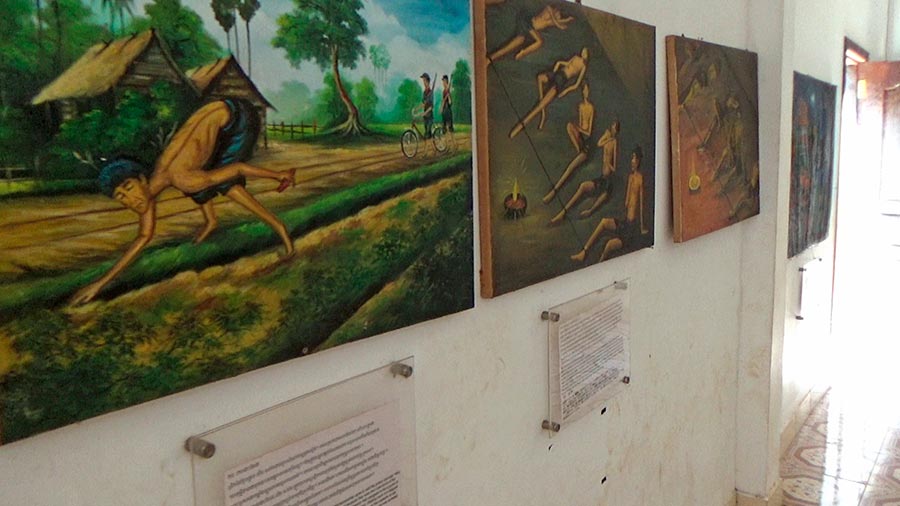
The complex includes informational panels, photographs and small spaces that explain what happened in Cambodia during the 1970s. These elements help visitors understand the impact that era had on the local population and how the community has worked to preserve historical memory. The presence of monks, the distant sound of prayers and the stillness of the place create a contrast that makes the visit especially moving.
Despite its solemn character, Wat Thmey maintains the typical structure of a Khmer temple, with stupas, prayer halls and well-kept gardens. This combination of religious and memorial elements makes it a unique space within Siem Reap, where spirituality coexists with the remembrance of a painful past. Many visitors describe the place as haunting—not because of what is seen, but because of what it evokes: the memory of thousands of people whose stories still resonate in Cambodian society.
Visiting Wat Thmey with a local guide allows you to contextualize the events, understand the symbolism of the stupa and learn how the community has transformed a place marked by suffering into a space for learning and tribute. Their explanations add depth to the visit and help convey the importance of keeping memory alive. It is an experience that enriches the cultural understanding of Siem Reap with a necessary look at its recent history.
Visiting Siem Reap means immersing yourself in the essence of Cambodia: its calm rhythm, its hospitality and its blend of tradition and contemporary life. From Khmer massages to spice markets, from central temples to the most authentic neighborhoods, the city offers experiences that become even richer with the insight of a local guide. Their knowledge of culture, customs and lesser-known places reveals details that often go unnoticed and helps you better understand the history that shapes the city. Exploring Siem Reap with a professional is the most complete and enriching way to connect with its true identity.